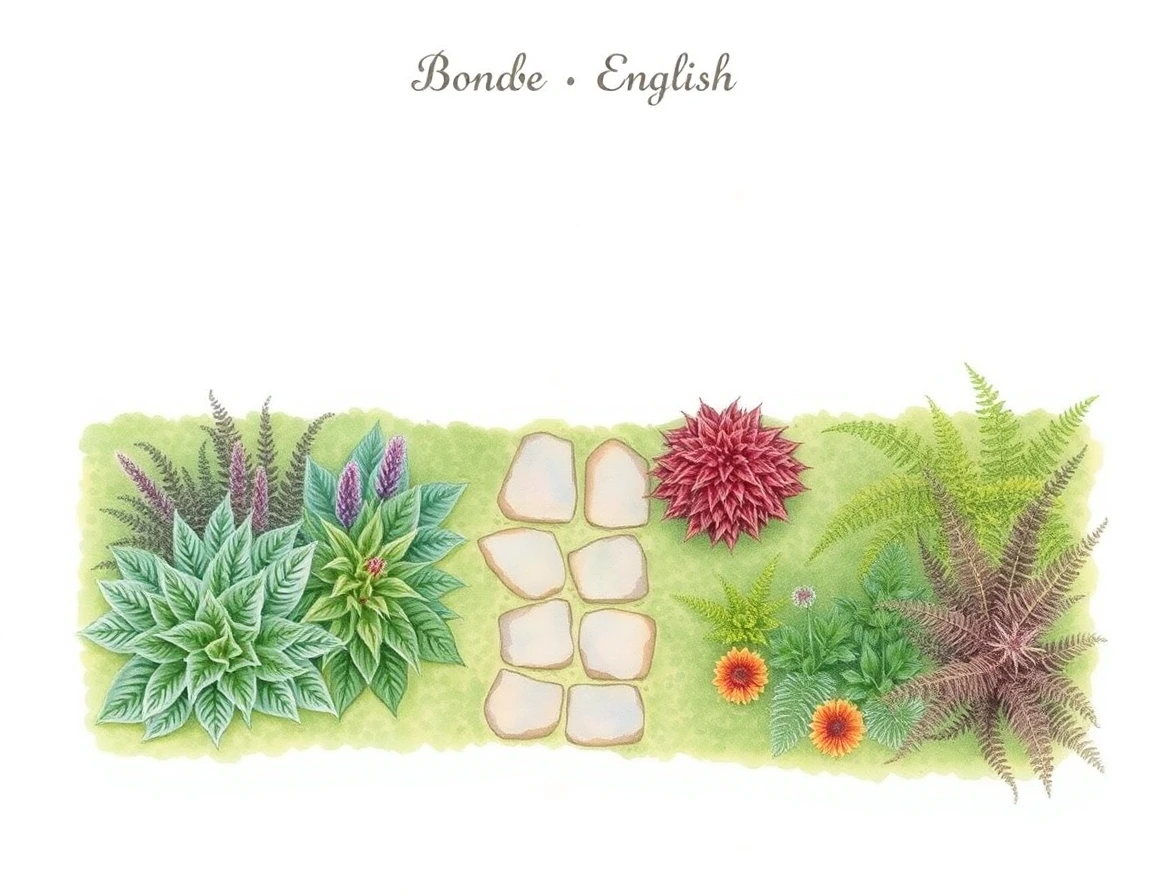
Best Hosta Seed Packs — Mixed Variety Reviews
Introduction
If you have ever admired a mature ‘Sum and Substance’ with its chartreuse leaves spanning two feet across, or the blue-grey corrugated foliage of a ‘Halcyon’, you have seen the result of years—sometimes decades—of careful division and cultivation. Most American shade gardeners buy hostas as potted plants or bare-root divisions, and for good reason: named cultivars are clonally propagated, ensuring every leaf matches the parent plant exactly. Growing hostas from seed is a different proposition entirely. It is not a shortcut to a specimen plant, nor is it a way to replicate a favourite variety. What it offers is volume, novelty, and a genuine sense of discovery. Every seedling is a genetic gamble—you may get solid green, a pale streak, or something that no nursery has ever named. This guide is for the gardener who wants to fill a shady border on a budget, who enjoys the process of watching a plant emerge from a tiny speck of dust, and who understands that a seed-grown hosta will not look like the catalogue photos. If that describes you, read on.
What to look for
When shopping for hosta seed packs, the first thing to understand is that you are not buying seeds of named cultivars. No reputable seed company sells ‘Patriot’ or ‘Frances Williams’ seed that will produce those exact plants. Hostas are highly heterozygous; seed from a ‘Patriot’ will yield a mix of green, streaked, and variegated offspring, most of which will be inferior to the parent. Any listing that implies otherwise is misleading.
Seed count vs. viability. The packs listed range from 100 to 330+ seeds per packet. Do not equate seed count with plant count. Hosta seed germination rates are moderate—typically 50–70% under ideal conditions—and many of the cheaper packets (under $10) arrive with dust, chaff, and immature seeds mixed in. A pack of 330 seeds that germinates at 30% yields about 100 seedlings, which is still a lot of plants for a small shade bed. But a pack of 100 seeds that germinates at 60% yields 60 plants. The difference is less dramatic than the numbers suggest.
Species vs. mix. Most mixed seed packs are open-pollinated blends from garden-grown hostas. The parent plants are often older varieties like ‘Hosta sieboldiana’, ‘Hosta plantaginea’, or ‘Hosta ventricosa’. These produce reliable, tough plants that handle heat and humidity better than many fancy cultivars. A mix labelled “Mixed Rare Hosta Seeds” is almost certainly not rare—it is a marketing term. Look instead for packs that mention the parent species or “open-pollinated garden mix.” That is honest and gives you a better idea of what to expect.
Leaf size and habit. Seedling hostas will not reach mature size for three to five years. A first-year seedling leaf may be only 2–4 inches (5–10 cm) long. By year three, under good conditions, leaves may reach 6–8 inches (15–20 cm). The final size depends on genetics and growing conditions, but most seed-grown plants will be medium-sized (12–18 inches tall, 18–24 inches spread) rather than the giants you see in nurseries. If you want a ground cover effect quickly, seed-grown hostas work well because you can plant them densely.
Red flags. Any pack that promises “dual use for ground cover and cut flowers” is written by someone who has never grown hostas. Hosta flowers are lovely but short-lived, and cutting them reduces the plant’s energy for leaf production. Also be wary of packs that do not list a germination method. Hostas require cold stratification (30–60 days at 35–40°F) or a period of moist chilling to break dormancy. If the seller does not mention this, they may be selling seed that will not germinate without specific treatment.
Price per plant. The cheapest packs at $4.99 for 100 seeds work out to about 5 cents per seed. But with a 50% germination rate and a 20% loss to damping-off or poor soil, you are looking at roughly 40 plants for $5—about 12.5 cents per plant. That is excellent value compared to $6–$10 per potted division. The $18.99 bare-root packs give you six established plants immediately, which is a better deal if you want instant impact. Seed is for the patient.
How we ranked these picks
The products listed are drawn from Amazon’s current active listings for hosta seed and bare-root mixes. We sorted by a combined score of average customer rating multiplied by total review count, then selected the top ten that represent the range of what is available—from seed packets to bare-root divisions. This method favours products that have been purchased and reviewed by many gardeners, giving a realistic picture of performance. A caveat: ratings on seed products are often inflated by buyers who rate before germination, or who are simply happy with fast shipping. We have noted the star ratings as they appear, but a 3.0-star average with 400 reviews is more informative than a 4.5-star average with 12 reviews. Seasonal availability also affects stock; some of these listings may be out of stock in late summer or winter.
Common mistakes to avoid
Mistake 1: Expecting named cultivars. The single most common complaint in reviews is “these didn’t look like the picture.” That is because the picture is usually a stock photo of a prize-winning cultivar. Your seedlings will not look like that. If you want a specific variety, buy a division from a specialty nursery.
Mistake 2: Sowing too early or too late. Hosta seed needs a cold period. Many first-time buyers sow directly outdoors in spring and get no germination. Stratify the seed in damp sand in the refrigerator for 4–6 weeks before sowing indoors in late winter. Alternatively, sow outdoors in fall and let winter do the work.
Mistake 3: Overwatering seedlings. Hosta seedlings are prone to damping-off fungus. Use a sterile seed-starting mix, water from the bottom, and provide air circulation. A common error is treating them like mature hostas, which are drought-tolerant once established. Seedlings need consistent moisture but not soggy soil.
Mistake 4: Planting too deep. Hosta seeds are tiny—about the size of a peppercorn. They need light to germinate. Press them gently into the surface of the soil, do not cover them. A thin dusting of vermiculite is acceptable, but no more than 1/8 inch (3 mm).
Mistake 5: Buying “rare” or “exotic” mixes. There are no rare hosta seeds available in bulk for $8.99. Rare hostas are propagated by division, not seed. If a listing uses the word “rare” in the title, it is a red flag for overhyped marketing.
Buying timing & seasonal notes
For gardeners in USDA zones 3–9, the window for starting hosta seed indoors is late January through early March. This gives seedlings 8–10 weeks of growth before they can be moved outdoors after the last frost (typically mid-May for zone 5, early April for zone 8). If you are buying bare-root divisions instead of seed, order in early spring for immediate planting, or in fall for planting 6 weeks before the first hard frost. Bare-root hostas are dormant and need to go into the ground quickly—do not let them sit in a garage for weeks.
Seed packets can be purchased year-round, but stratify them immediately upon arrival if you plan to sow in spring. If you miss the spring window, you can stratify and sow in late summer for fall planting, but the seedlings will be small and may need winter protection in colder zones. For gardeners in zones 8 and 9, fall sowing outdoors is often successful without artificial stratification, as natural winter chill is sufficient.
A final note on patience: a seed-grown hosta will not look like much in its first year. By year two, you will see leaf colour and pattern emerge. By year three, you will have a plant worth bragging about—or at least one worth moving to a more prominent spot. That is the real reward of growing from seed.
The picks
1. Easy to Grow Hosta Bumper Crop Mix 10 Trimmed Roots - Mixed Varieties Colorful Foliage, Summer Flowers Partial to Full Shade Zones 3-8
Badge: Amazon’s Choice
Rating: 4.0 ★ (3,175 reviews)
ASIN: B0GD9HV3P7
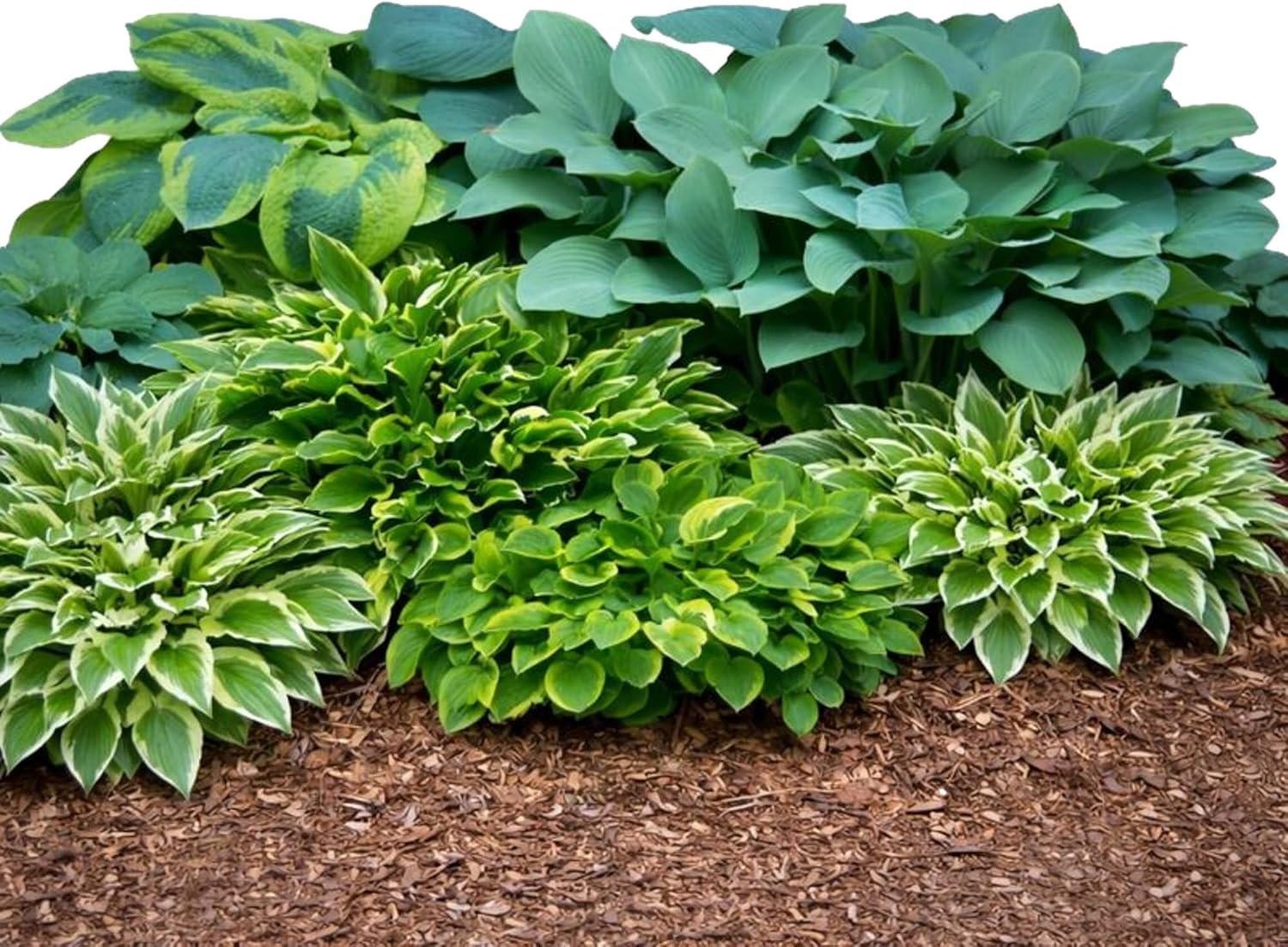
Hosta are grown primarily for their outstanding foliage and this mix showcases some exceptional colors and textures, making them a top pick for shady gardens. Pale lavender or white flowers in summer attract hummingbirds to the garden, while the rich foliage creates a wonderful garden display. Enjoy a mixture of beautiful bareroot Hosta plants in varying sizes and green shades, tinged with gold or
Check current price on Amazon →
2. 6 Pack Mixed Hosta Bare Root Variety Pack – 1000’s Sold – Shade Loving Perennials with Lush Green Foliage – Easy to Grow & Ships Fresh - Low Maintenance
Badge: Amazon’s Choice
Price: $18.99
Rating: 4.0 ★ (2,199 reviews)
ASIN: B01N35UG7I

Check current price on Amazon →
3. 185+ Mixed Color Hosta Seeds for Planting Outdoors- Shade/Cold Tolerant Perennials, Dual Use for Ground Cover & Pots, Low Maintenance Flowers
Price: $8.99
Rating: 3.0 ★ (440 reviews)
ASIN: B0FFH56FQL

Check current price on Amazon →
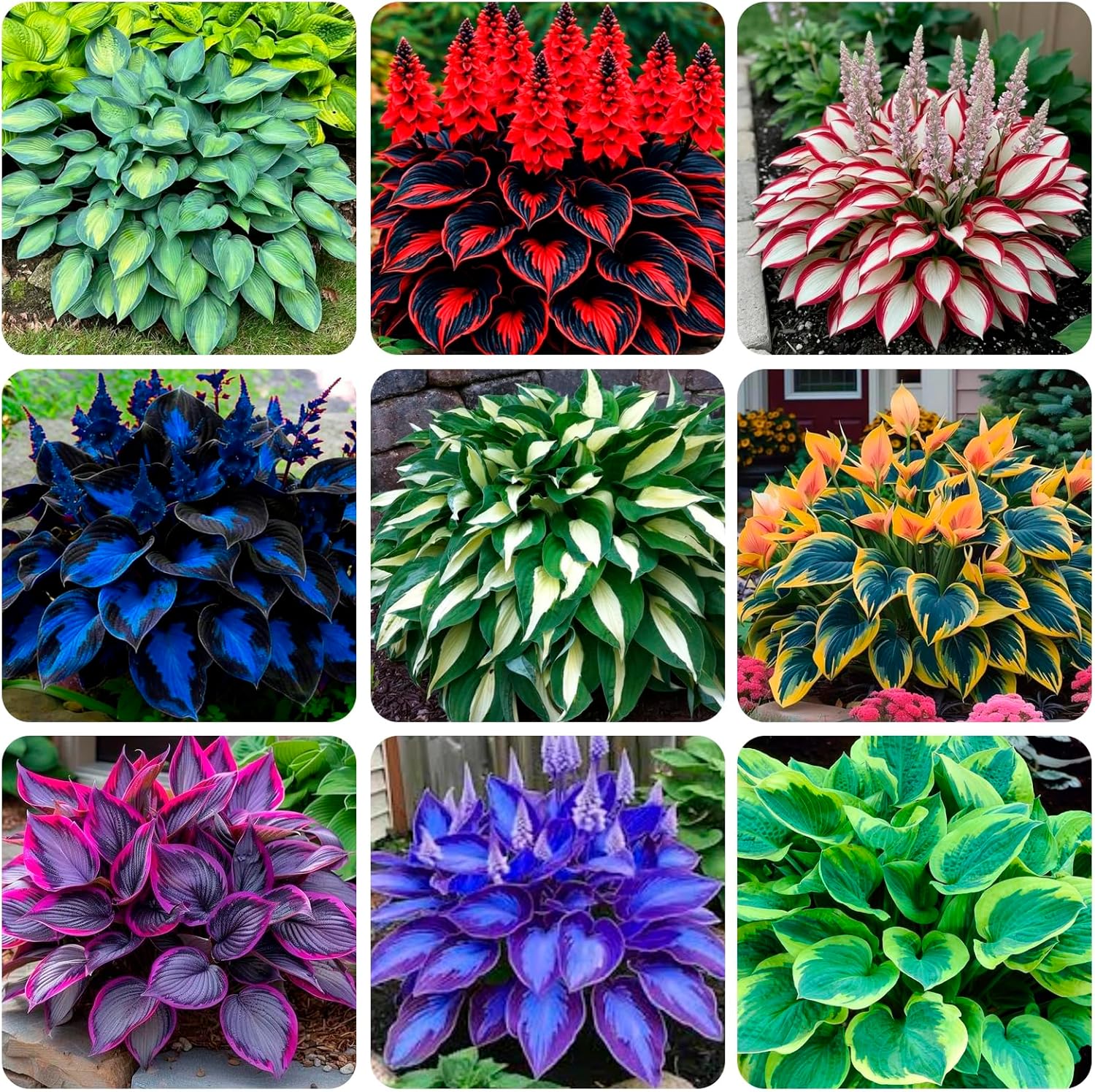
4. 200+ Seeds Perennial Hosta Flower Seed for Planting Outdoors Garden Beauties
Price: $4.99
Rating: 3.1 ★ (308 reviews)
ASIN: B0DZX374WC
Check current price on Amazon →
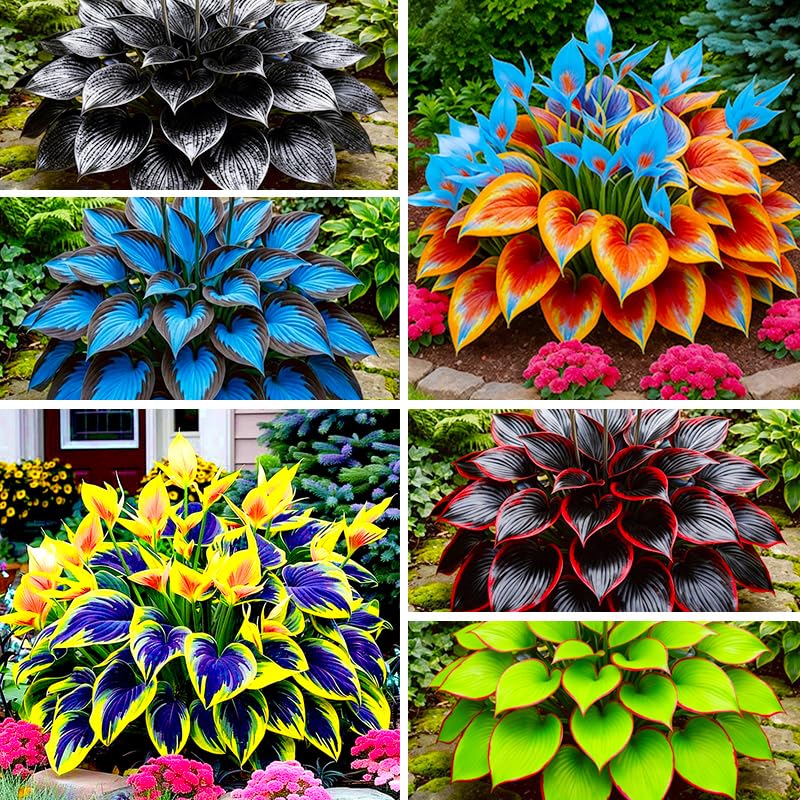
5. 315+ Perennial Mix Color Hosta Seeds for Planting in Outdoor Garden
Rating: 3.0 ★ (314 reviews)
ASIN: B0FFLQ5J5D
Check current price on Amazon →
6. 220+ Mixed Rare Hosta Seeds for Planting-Attract Pollinators Perennial Garden Decoration
Rating: 3.0 ★ (249 reviews)
ASIN: B0FFM5L9TS

Check current price on Amazon →
7. 6 Mixed Color Hosta Plants for Growing - Growers Choice, Easy to Grow Hosta Root Stock (6 Hosta Roots)
Price: $18.99
Rating: 3.7 ★ (81 reviews)
ASIN: B0FGDRXWFT

Perennial Hosta Plants
Check current price on Amazon →
8. 330+ Mixed Color Hosta Seeds for Planting - Shade-Tolerant Perennials, Dual Use for Ground Cover & Pots, Create Cool Shaded Gardens
Rating: 2.9 ★ (238 reviews)
ASIN: B0FFH61M3F

Check current price on Amazon →
9. Hosta Seeds for Garden, 200 Pieces Perennial Shade Plants, Easy Growing Ornamental Foliage for Borders, Patios, Pots, Gardening Gift
Price: $7.99
Rating: 3.1 ★ (155 reviews)
ASIN: B0FYMCJWX8

Check current price on Amazon →
10. 100+ Seeds Perennial Hosta Flower Seed for Planting Outdoors Garden Home Beauties
Price: $4.99
Rating: 2.9 ★ (175 reviews)
ASIN: B0FKFGRLDX

Check current price on Amazon →
Affiliate disclosure
The Hosta Farm participates in the Amazon Services LLC Associates Program. We earn a small commission when you click an Amazon link and complete a purchase, at no extra cost to you. This funds our independent cultivar archive. We do not accept payment from any brand listed above for placement or favorable mention — products are ranked by Amazon rating × review count.